
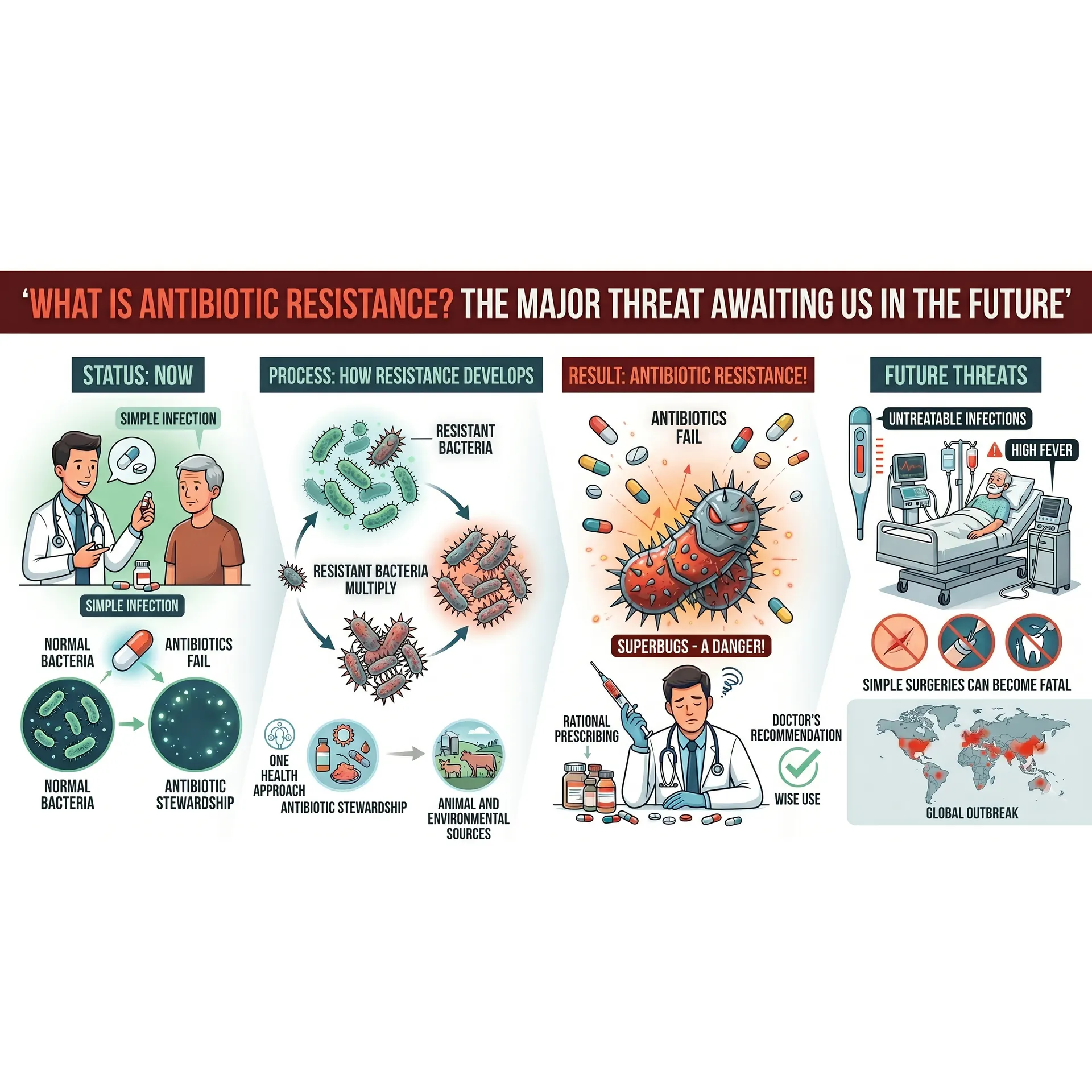
If asked to name the greatest revolution in medical history, most scientists would point to a single word: Penicillin. Discovered entirely by accident by Alexander Fleming in 1928, this humble mold became humanity's ultimate weapon in the war against bacteria. Before that watershed moment, a simple splinter wound, a minor scratch, or a routine bout of pneumonia routinely claimed millions of lives. Thanks to antibiotics, people began recovering from lethal infections within days.
However, this triumph led to a dangerous sense of complacency. We began treating antibiotics like magic wands, using them recklessly every time we had a headache, a mild sniffle, or a seasonal cold. The result? The most flawless survival experts on Earth—bacteria—learned exactly how to fight back.
Today, modern medicine faces a monumental crisis known as "Antibiotic Resistance." It threatens to undo a century of medical progress, dragging us back to a dark age where even the most mundane infections could become a death sentence. Let's take a closer look at this silent, cellular war and the profound danger waiting for us in the future.
What is Antibiotic Resistance? (The Evolutionary Intelligence of Bacteria)
A common misconception is that antibiotic resistance means the human body develops a tolerance to the drug, rendering it ineffective. This is entirely inaccurate. It is not our bodies that become resistant; it is the bacteria themselves.Antibiotic resistance occurs when pathogenic bacteria evolve mechanisms to survive or multiply despite being exposed to antibiotic drugs specifically designed to kill them. Bacteria have been on Earth for billions of years and possess an astonishing evolutionary speed when adapting to extreme conditions. When we take an antibiotic, it wipes out millions of vulnerable bacteria. However, if a few bacteria happen to carry a lucky genetic mutation making them resilient to the drug, they survive. With all their competition cleared away, these "superbugs" rapidly divide, multiplying into a brand-new, entirely resistant population.
How Do Bacteria Fight Back? (Mechanisms of Resistance)
Bacteria deploy incredibly sophisticated cellular tactics to neutralize drugs developed through millions of dollars of laboratory research:- Drug-Destroying Enzymes: Some bacteria secrete enzymes that physically dismantle the molecular structure of an antibiotic before it can do harm. A classic example is the Beta-lactamase enzyme, which cleaves the active core of penicillin-family drugs.
- Efflux Pumps (Cellular Vacuum Cleaners): Specialized proteins embedded within the bacterial cell membrane act as microscopic bilge pumps. The moment an antibiotic molecule penetrates the cell wall, these pumps grab it and flush it back out before it can reach its target.
- Target Modification: Antibiotics function by binding to specific proteins or ribosomal structures within a bacterium. Through subtle genetic mutations, bacteria can alter the physical shape of these binding sites. The drug arrives like a key, but the lock has been changed.
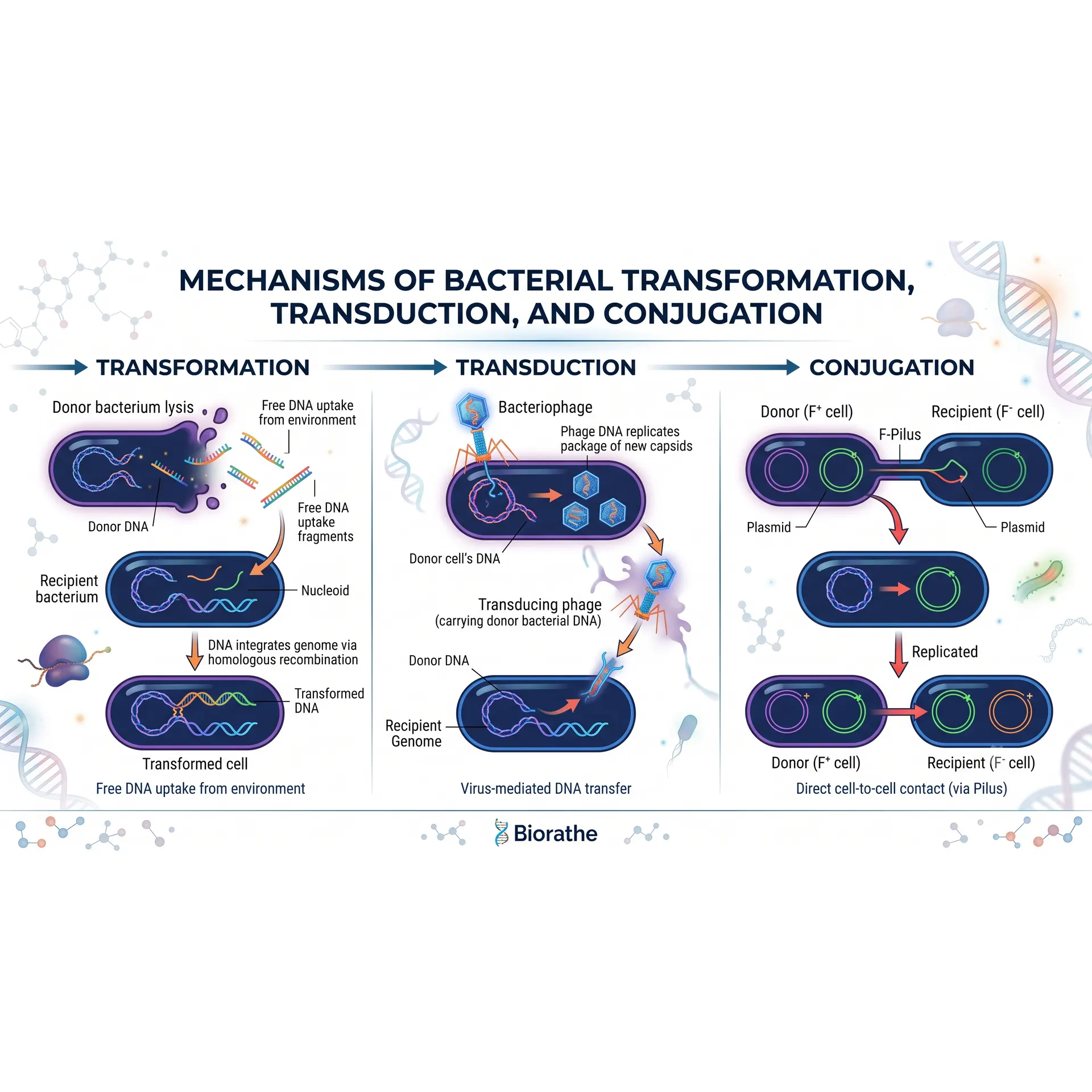
- Bacterial "Wi-Fi" (Plasmid Transfer): This is perhaps the most alarming mechanism. When a bacterium develops resistance, it doesn't just pass that genetic blueprint down to its offspring. It can share that piece of DNA (plasmids) horizontally with entirely different species of neighboring bacteria, much like a wireless data transfer (conjugation).
The Looming Threat: The Post-Antibiotic Era
The World Health Organization (WHO) and global medical authorities warn that if we do not take immediate, drastic action, annual deaths attributable to antimicrobial resistance are projected to hit 10 million by the year 2050. This means antibiotic resistance could claim more lives each year than cancer.If antibiotics stop working entirely, our daily reality will shift dramatically:
- Routine Surgeries Will Become Lethal: Common procedures we take for granted today—such as C-sections, appendectomies, and joint replacements—will carry an incredibly high risk of mortality due to untreatable post-operative bacterial infections.
- Cancer Therapies Will Collapse: Chemotherapy temporarily decimates a patient's immune system. What keeps these vulnerable individuals alive during treatment is a shield of strong antibiotics. Without them, a patient who successfully beats cancer could die from a simple bacterial complication.
- Organ Transplants Will Face Extinction: Immunosuppressive drugs are mandatory after an organ transplant to prevent organ rejection. Without working antibiotics to guard these patients, every organ transplant will become an open invitation for lethal infections.
What is Driving This Crisis?
The blame for this gathering storm does not rest solely on patients who take left-over antibiotics without a prescription. The crisis is driven by three massive structural pillars:1. Overuse and Misuse in Human Medicine
An alarming number of people still take antibiotics for conditions like the flu, bronchitis, or the common cold. Remember: Antibiotics only kill bacteria; they have zero effect on viruses. Taking an antibiotic when you have a viral flu does absolutely nothing to cure your illness—it simply gives your resident bacteria a free training session on how to survive the drug. Furthermore, stopping a prescribed antibiotic course early because you "feel better" leaves the most resilient bacteria alive, allowing them to mutate and return stronger.
2. Industrial Agriculture and Livestock Farming
Globally, more than 70% of all antibiotics are consumed not by humans, but by livestock. In commercial poultry, cattle, and fish farms, massive quantities of antibiotics are routinely mixed into animal feed, not to treat sickness, but to prevent disease in overcrowded conditions and promote faster weight gain. When we consume meat from these animals or use water systems contaminated with agricultural runoff, we introduce these highly resistant environmental superbugs directly into our own ecosystems.
3. The Discovery Void
For pharmaceutical companies, developing a new antibiotic is financially unappealing. It takes up to a decade and billions of dollars to bring a drug to market, yet bacteria can develop resistance to it within just a few years. Additionally, unlike medications for chronic conditions like hypertension or diabetes that patients take daily for life, an antibiotic is typically used for only 5 to 7 days. Because of this economic mismatch, the medical world has not discovered a completely new class of antibiotics in over 30 years; we are merely tweaking existing formulations.
The Way Forward: What Must Be Done?
We still have a window of opportunity to avert a dystopian future, but it requires both global structural changes and personal accountability:- Public Awareness: Never demand or use antibiotics unless they are specifically and definitively prescribed to you by a licensed physician.
- Absolute Compliance: Always complete your prescribed antibiotic course exactly as instructed, at the correct times, for the full duration—even if your symptoms completely disappear midway through.
- Agricultural Restrictions: Global bans and strict limits must be placed on the mass use of antibiotics for growth promotion or preventative maintenance in livestock farming.
Alternative Technologies: Scientists are actively exploring alternatives to traditional antibiotics, such as Bacteriophage (Phage) Therapy—using natural, bacteria-hunting viruses to destroy specific pathogens—and antimicrobial peptides. Funding these revolutionary frontiers is vital.
Conclusion: A Truce With Nature
The antibiotic resistance crisis is a stark reminder of what happens when humanity underestimates the adaptability of the natural world. We thought we could wipe out bacteria permanently, but they simply activated billions of years of evolutionary survival code.To avoid waking up to a dark future dominated by untreatable superbugs, we must husband our remaining medical resources with extreme care. Every time an antibiotic is used carelessly, the world loses a fraction of its power to save a life tomorrow.
References
- Laxminarayan, R., Duse, A., Wattal, C., Zaidi, A. K., Wertheim, H. F., Sumpradit, N., ... & Cars, O. (2013). Antibiotic resistance—the need for global solutions. The Lancet Infectious Diseases, 13(12), 1057-1098. https://doi.org/10.1016/S1473-3099(13)70318-9
- O'Neill, J. (2016). Tackling drug-resistant infections globally: final report and recommendations. Review on Antimicrobial Resistance.
- Ventola, C. L. (2015). The antibiotic resistance crisis: part 1: causes and threats. Pharmacy and Therapeutics, 40(4), 277-283.
- World Health Organization. (2020). Antimicrobial resistance: Global report on surveillance. World Health Organization.
No comments yet. You can leave the first one.