
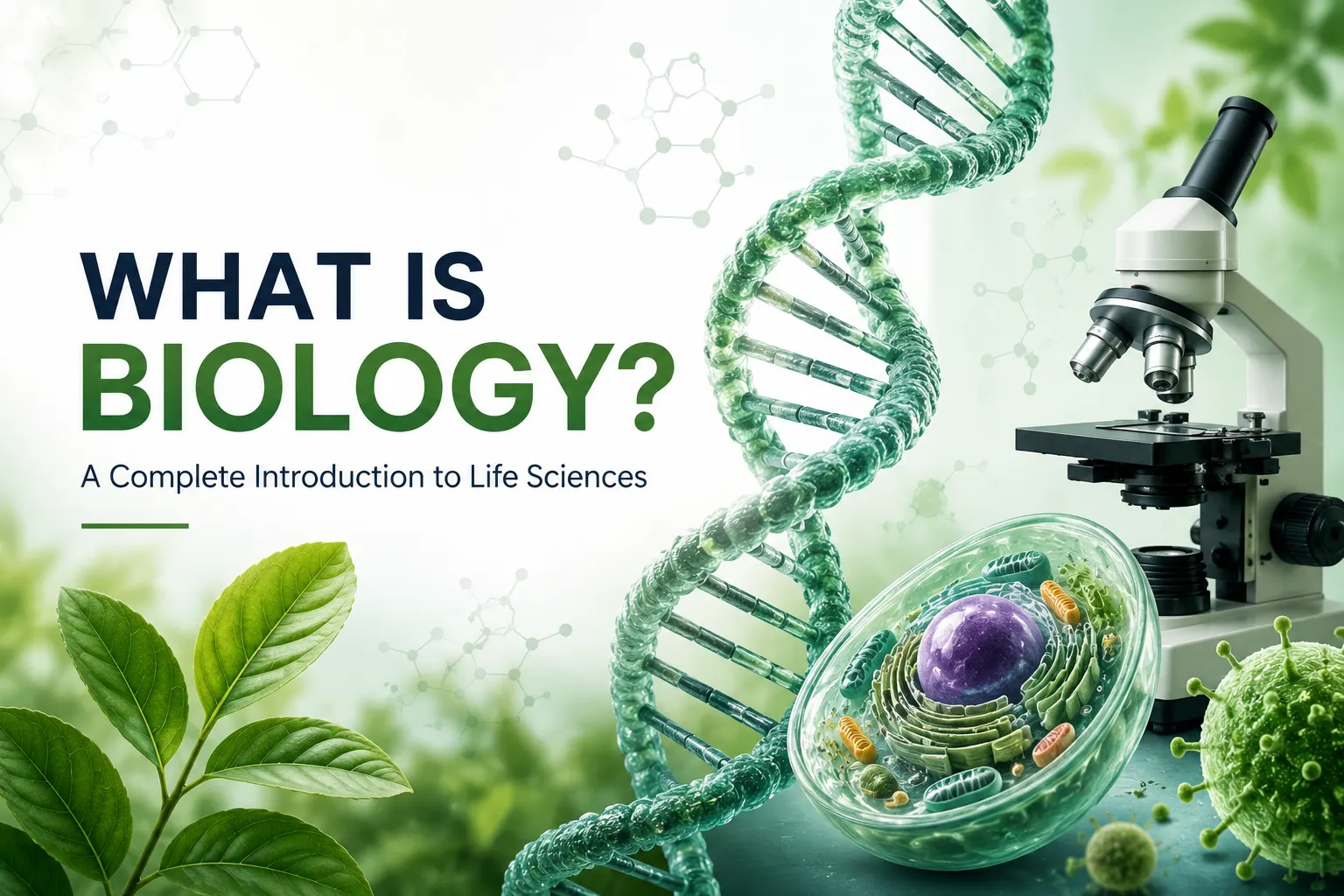
Have you ever wondered why leaves are green, how wounds heal, why people inherit traits from their parents, or how tiny bacteria can influence human health? The answers to all these questions belong to one fascinating field of science: biology.
Biology is often called the science of life because it focuses on living organisms and the processes that allow them to survive, grow, reproduce, and interact with their environment. From microscopic bacteria to giant whales, biology helps us understand the incredible diversity of life on Earth.
Whether you are a student, a future scientist, or simply curious about the natural world, learning biology provides a deeper understanding of how life works and why it matters.
What Is Biology?
Biology is the scientific study of living organisms and their interactions with each other and their environment. The word "biology" comes from two Greek words: bios, meaning life, and logos, meaning study or knowledge.
Biologists study all forms of life, including:
Humans
Animals
Plants
Fungi
Bacteria
Viruses
Microorganisms
The primary goal of biology is to explain how living things function, evolve, and adapt over time.
Unlike many scientific disciplines that focus on specific physical phenomena, biology explores life itself. It seeks to answer questions such as:
- How do cells work?
- What makes living organisms different from non-living matter?
- How do species evolve?
- How is genetic information passed from one generation to another?
- How do ecosystems maintain balance?
These questions form the foundation of biological research.
The History of Biology
Human curiosity about life is as old as civilization itself. Ancient cultures observed plants, animals, and human anatomy long before biology became a formal scientific discipline.
One of the earliest contributors was Aristotle, who carefully studied animals and classified living organisms based on their characteristics. His observations influenced biological thinking for centuries.
During the Renaissance, scientists began using systematic observation and experimentation. This period led to major discoveries about anatomy and physiology.
The invention of the microscope in the 17th century revolutionized biology. Scientists such as Robert Hooke and Antonie van Leeuwenhoek observed cells and microorganisms for the first time, opening a completely new world of scientific exploration.
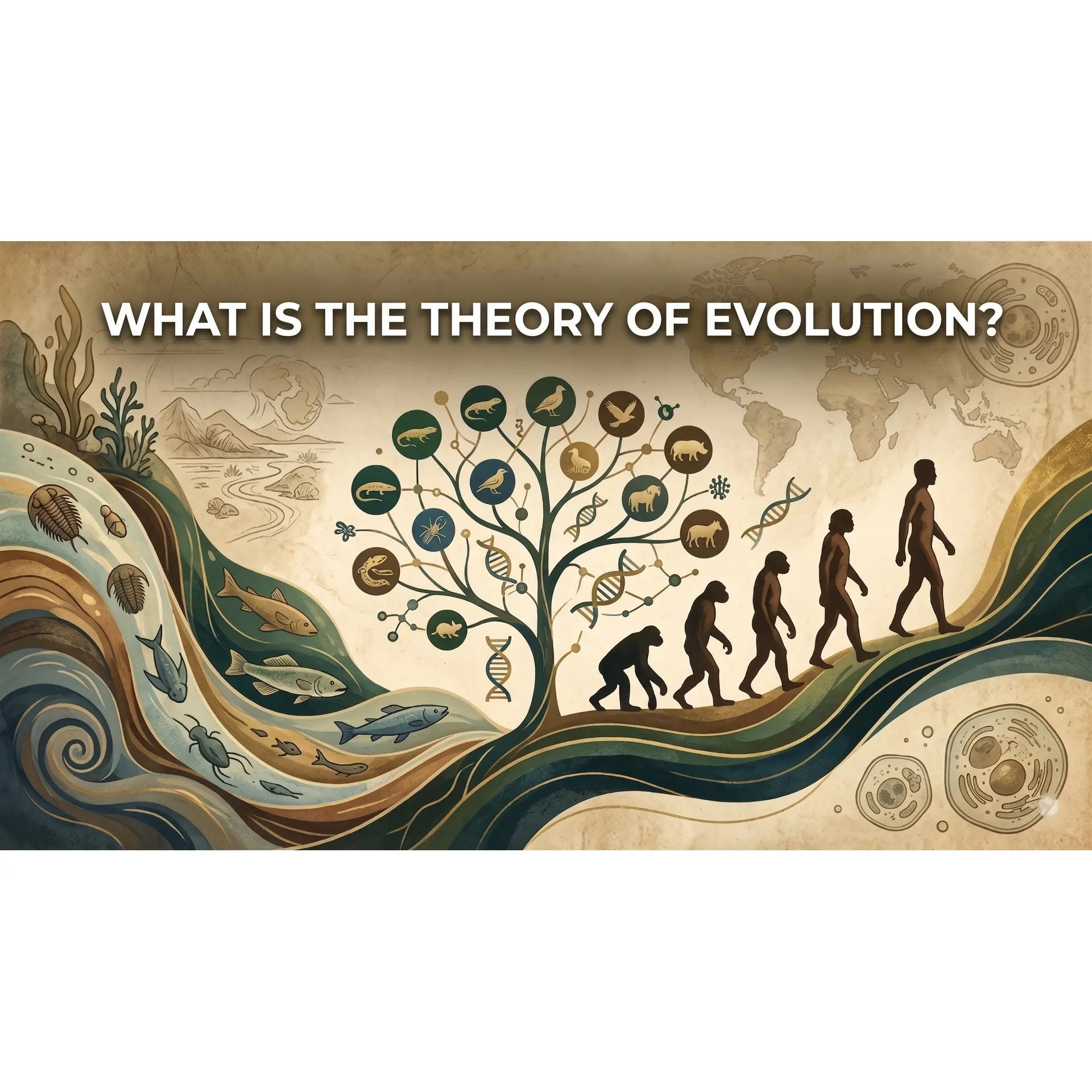
In the 19th century, Charles Darwin introduced the theory of evolution by natural selection, fundamentally changing our understanding of life on Earth.
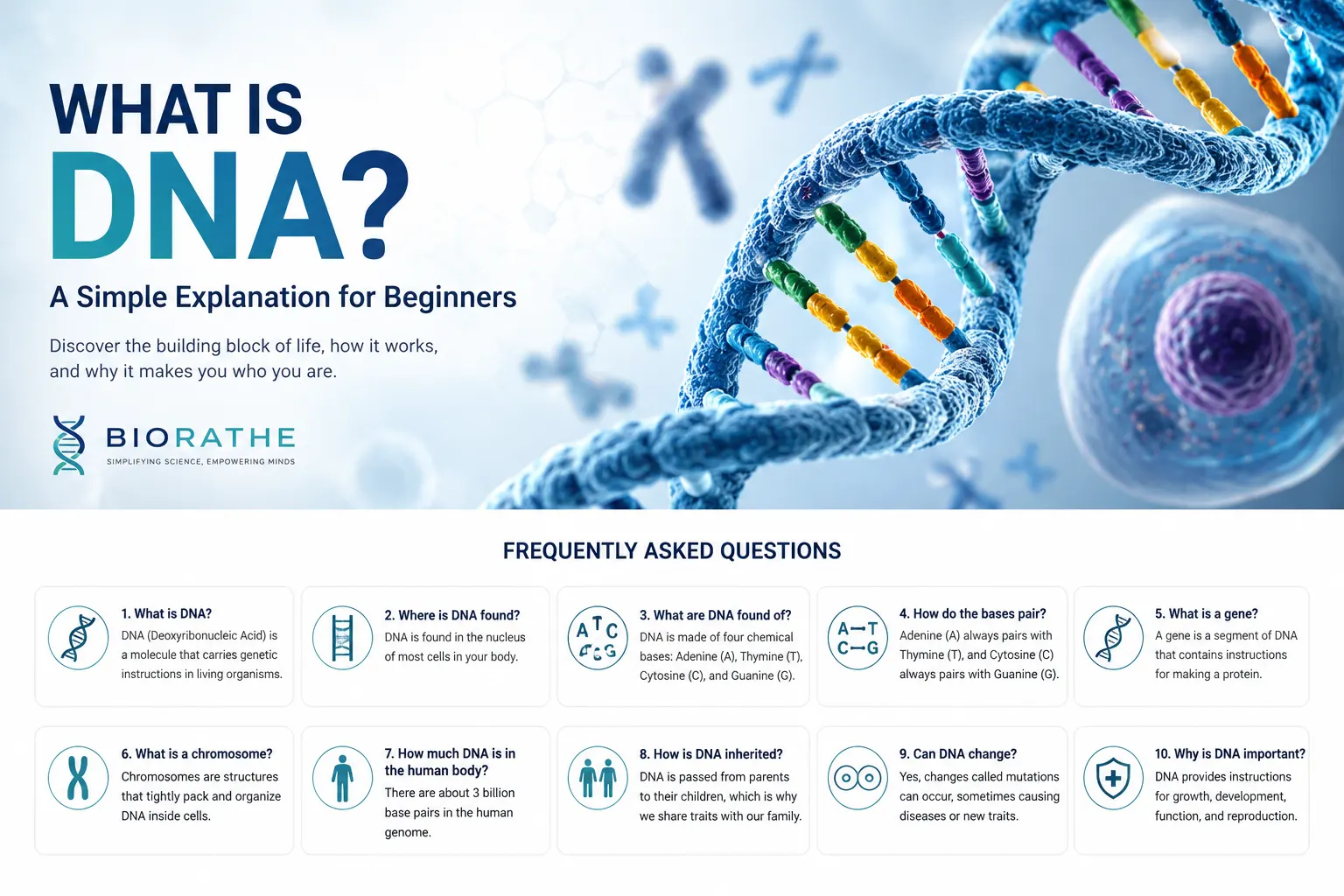
The 20th century brought another breakthrough with the discovery of DNA structure by James Watson and Francis Crick, building upon the work of Rosalind Franklin and Maurice Wilkins. This discovery launched modern genetics and molecular biology.
Today, biology continues to evolve through technologies such as genome sequencing, artificial intelligence, and gene editing.
The Fundamental Principles of Biology
Although biology is a broad field, several key principles connect all living organisms.
Cell Theory
One of the most important concepts in biology is cell theory.
It states that:
- All living organisms are composed of cells.
- Cells are the basic units of life.
- New cells arise from existing cells.
Every living thing, from bacteria to humans, is made of cells.
Genetics and Heredity
Genes carry the instructions that determine many characteristics of living organisms.
Genetics explains:
- Why children resemble their parents
- How inherited diseases occur
- How populations evolve over time
DNA serves as the blueprint for life, containing the information needed for growth, development, and reproduction.
Evolution
Evolution explains how species change over time through natural selection and genetic variation.
This principle helps scientists understand:
- The diversity of life
- Adaptation to environments
- Relationships between species
Evolution is one of the central organizing concepts in modern biology.
Homeostasis
Living organisms must maintain stable internal conditions despite external changes.
Examples include:
- Body temperature regulation
- Blood sugar control
- Water balance
This process is known as homeostasis and is essential for survival.
Major Branches of Biology
Biology is a vast discipline with many specialized areas of study.
Molecular Biology
Molecular biology focuses on DNA, RNA, proteins, and cellular processes. Researchers investigate how molecules interact to sustain life.
Cell Biology
Cell biology examines the structure and function of cells.
Scientists study:
- Cell division
- Cell communication
- Cellular metabolism
Genetics
Genetics explores heredity and variation among organisms. This field plays a critical role in medicine, agriculture, and biotechnology.
Microbiology
Microbiology studies microscopic organisms such as:
- Bacteria
- Viruses
- Fungi
- Protozoa
These organisms influence health, disease, and environmental processes.
Zoology
Zoology focuses on animals and their behavior, physiology, evolution, and ecology.
Botany
Botany is the scientific study of plants. Botanists investigate plant growth, reproduction, and ecological importance.
Ecology
Ecology examines interactions between organisms and their environments. Ecologists study ecosystems, biodiversity, climate change, and conservation.
Evolutionary Biology
This branch investigates how species evolve and adapt through time. It helps explain the history and diversity of life on Earth.
Why Biology Matters
Many people think biology is only relevant to scientists or healthcare professionals. In reality, biology affects everyone every day.
Improving Human Health
Medical advances depend heavily on biological research.
Biology contributes to:
- Vaccines
- Antibiotics
- Cancer treatments
- Organ transplantation
- Personalized medicine
Without biology, modern healthcare would not exist.
Protecting the Environment
Biologists help identify threats to ecosystems and develop conservation strategies.
Their work supports:
- Wildlife protection
- Sustainable agriculture
- Climate change mitigation
- Biodiversity conservation
Food Production
Biological knowledge improves agricultural productivity and food security.
Scientists develop:
- Disease-resistant crops
- Improved livestock breeds
- Sustainable farming methods
Biology drives technological innovation through biotechnology.
Applications include:
- Gene therapy
- Synthetic biology
- Biofuels
- Pharmaceutical development
These innovations have the potential to transform society.
Biology in Everyday Life
Many biological processes occur around us constantly, often unnoticed. When you eat food, your digestive system breaks down nutrients using biological mechanisms. When you exercise, your muscles adapt and strengthen through cellular changes. When plants grow in your garden, photosynthesis converts sunlight into energy. Even your immune system works continuously to protect you from harmful microorganisms. Biology is not limited to laboratories. It is happening every moment within and around us.
The Future of Biology
The future of biology is incredibly exciting. Emerging technologies are opening possibilities that seemed impossible just a few decades ago. Some rapidly growing areas include:
Gene Editing
CRISPR technology allows scientists to modify DNA with remarkable precision. Potential applications include treating genetic diseases and improving agriculture.
Synthetic Biology
Scientists are designing biological systems to solve real-world problems. This field could revolutionize medicine, energy production, and environmental protection.
Personalized Medicine
Advances in genomics enable treatments tailored to individual genetic profiles.
Artificial Intelligence in Biology
AI helps researchers analyze massive biological datasets and accelerate scientific discoveries. The combination of biology and technology is expected to reshape healthcare and scientific research in the coming decades.
Conclusion
Biology is far more than a school subject. It is the science that helps us understand life itself. From the smallest microorganisms to the largest ecosystems, biology reveals how living things function, interact, and evolve. As scientific discoveries continue to advance, biology will play an increasingly important role in solving global challenges related to health, food security, environmental sustainability, and technological innovation. By understanding biology, we gain a deeper appreciation for the complexity and beauty of life on Earth.
References
- Alberts, B., Johnson, A., Lewis, J., Morgan, D., Raff, M., Roberts, K., & Walter, P. (2022). Molecular biology of the cell (7th ed.). Garland Science.
- Campbell, N. A., Urry, L. A., Cain, M. L., Wasserman, S. A., Minorsky, P. V., & Orr, R. B. (2021). Campbell biology (12th ed.). Pearson.
- Darwin, C. (1859). On the origin of species. John Murray.
- Freeman, S., Quillin, K., Allison, L., Black, M., Podgorski, G., Taylor, E., & Carmichael, J. (2023). Biological science (8th ed.). Pearson.
- Lodish, H., Berk, A., Kaiser, C. A., Krieger, M., Scott, M. P., Bretscher, A., Ploegh, H., & Matsudaira, P. (2021). Molecular cell biology (9th ed.). W. H. Freeman.
- Raven, P. H., Johnson, G. B., Mason, K. A., Losos, J. B., & Singer, S. R. (2023). Biology (13th ed.). McGraw-Hill Education.
No comments yet. You can leave the first one.